
2-DAY INTENSIVE COURSE
Cold Case Investigations
Homicides, Sexual Assaults, Robberies, Missing Persons…


Overview
It’s only a cold case if we give up working on it.
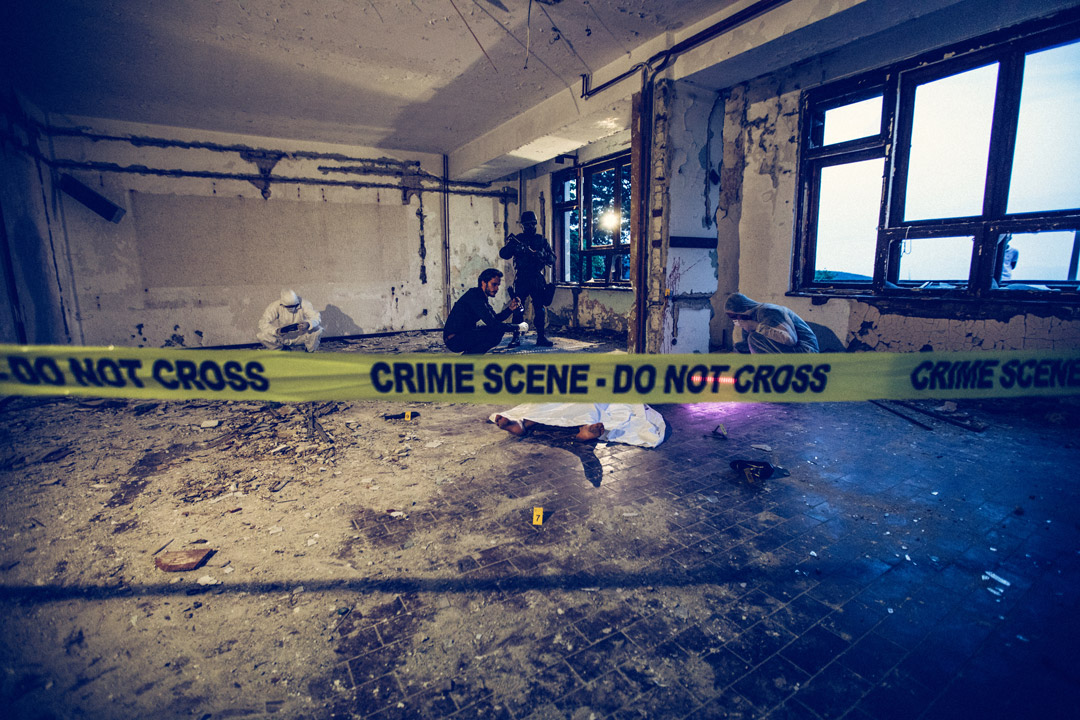
Cold cases don’t close themselves — and the investigators who crack them share four defining traits: Grit, Curiosity, Confidence, and Humility. Cold case investigators are the ones who know how to start over with fresh eyes and sharper tools. This 16-hour intensive course equips detectives, investigators, and law enforcement personnel with a proven, systematic process for re-opening, re-examining, and resolving cases where the leads have run dry.
Whether your agency is facing an unsolved homicide from a decade ago, a missing persons case that stalled, or a felony sexual assault that never went to trial — this course gives you the framework, the forensic updates, and the hands-on experience to move those cases forward.
This isn’t just a cold case course. It makes you a better investigator, period.
What You Will Learn
In this course, students will define what constitutes a cold case and understand why cases go cold in the first place. They will learn how to form, staff, and manage a cold case unit — and how to evaluate cases for solvability and prioritize investigative resources effectively. Students will master the complete cold case investigative process from initial case review through to resolution, applying current forensic science including DNA analysis and forensic genealogy along the way. The course also prepares investigators to navigate the complex legal and evidentiary challenges unique to cold cases, and puts everything into practice by working an actual cold case file through a realistic simulated investigation.
Who Should Attend
This course is built for any law enforcement or investigative professional who wants to become a sharper, more effective investigator — not just those currently assigned to cold cases. If you investigate homicides, robberies, sexual assaults, or missing persons — and you want to be better at it — this course is for you.
This course is essential for:
- Homicide detectives and investigators
- Missing persons investigators
- Sexual assault investigators
- Robbery investigators and general felony detectives
- Death investigation investigators
- Patrol officers and supervisors involved in serious cases
- Any investigator assigned to — or considering — cold case work
- Any investigator who wants to level up their skills and work smarter on every case they carry
If you have a serious case that isn’t solved and the leads have gone cold — this course was built for you.
Seminar Highlights
- Legal Issues Specific to Cold Cases — statute of limitations, evolving case law, interrogation law
- Investigative Steps — a structured, proven process for re-opening and working a cold case from start to resolution
- Forensic Evidence — trace evidence, firearms, DNA, scene re-examination, and the latest forensic tools
- DNA & Forensic Genealogy — the game-changing technologies now solving cases that are decades old
- Missing Persons & No-Body Cases — specialized investigative techniques, forensic anthropology, and forensic dentistry
- Outside Resources — leveraging experts, databases, and investigative partners you may not know exist
- Re-Interviews — how to approach original witnesses, family members, friends, and suspects with a fresh strategy
- Case Studies — real solved cold cases used throughout the course to reinforce every key concept
- Simulated Investigation — hands-on group exercise working an actual cold case file to build an investigative plan
Course Agenda
Instructors


Upcoming COURSES
If you have any questions or need help, please email us at info@tdcorg.com or call us at 408.766.1909
If you can't find any courses near you, please check out our Regional Waitlist

Testimonials
Other Courses for You



.png)
.png)
.png)