
2 Days Course
Death Investigations
There Is Only One “The Death Professor.” This Is Your Chance to Learn from Him


Overview
Every death scene is a question. The answer is in the evidence — if you know what you’re looking at. Patrol officers are almost always the first to arrive. What they do in those first minutes determines what investigators have to work with. A compromised scene, a missed wound, a misread manner of death — these are not small errors. They are the difference between a case that closes and a case that doesn’t.
Death Investigations is a 16-hour, POST-certified course that trains officers and investigators in the full scope of death investigation — from initial response to courtroom-ready documentation. Students learn to identify injury types, manage major crime scenes, determine manner and cause of death, recognize bloodstain evidence, investigate in-custody deaths and officer-involved shootings, and apply proven investigative techniques to child death cases and complex homicides.
This course places you directly into your departments Solve Culture as it deals with interpratating the crime that matters the most. The victims can’t speak. The investigator speaks for them. That means getting the scene right, reading the evidence correctly, and building a case that holds. This is not awareness training — it is the technical foundation that s
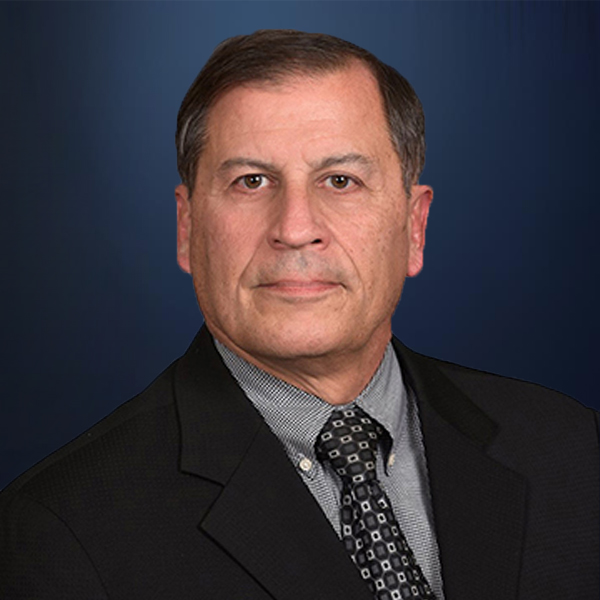
Mike Gaynor carries a 95%+ solve rate for homicides spanning three decades — a number that is essentially 100% above the national average for homicide investigators. He built that record one case at a time, using the same investigative principles he teaches in this course. You are not learning theory. You are learning what works.
Here’s what students move through across two days:
- Establish Legal and Investigative Foundation: Search and seizure, consent procedures, Miranda application, case law, and the legal framework that governs every decision at a death scene.
- Read the Scene and the Body: Natural vs. unnatural death, manner and cause determination, wound recognition across all major categories — bruising, ligature, incised wounds, gunshot — and what each tells you.
- Investigate Apparent Suicide and Accidental Death: Overdose, hanging, jumpers, fire, falls, traffic fatalities, drowning, and auto-erotic incidents — each with specific evidence checklists and the indicators that distinguish accidental from criminal.
- Apply Protocol to High-Stakes Cases: Child death protocol, SIDS, abuse and neglect scenarios, major crime scene management, officer-involved shootings, and in-custody deaths — including the legal and administrative separation those cases require.
- Document, Interview, and Close: Evidence recognition, photography, documentation standards, witness interview technique, and real case studies — including People vs. Carrasco and People vs. Jeshurin — that show exactly how it all comes together.
Who Should Attend
Death investigation is not exclusively a detective function. Patrol officers establish the scene. Supervisors make early calls that shape the entire case. Social workers, coroner investigators, correctional staff, and fire investigators all encounter death scenes — and all need a common investigative language. This course is built for the full team.
Law Enforcement
- Patrol Officers & First Responders
- Detectives & Investigators
- Supervisors & Command Staff
- Internal Affairs Investigators
- Correctional & Jail Investigators
- Probation / Parole Officers
Specialized Investigators
- Child Abuse Investigators
- Fire Investigators
- Traffic Fatality Investigators
- Cold Case Investigators
Government & Social Services
- Medical Examiner / Coroner Investigators
- Social Services Investigators (APS, CPS, DFCS)
- DA Office Investigators
- Elder Abuse Investigators
Anyone Who Responds to Death
- Any role involving initial response to a death scene
- Any role involving investigation of a person's death
- Any role involving documentation of a death for legal proceedings
Note for Training Coordinators:
Cross-training sworn and non-sworn personnel in the same room creates a shared investigative standard. When a coroner investigator, a patrol officer, and a social worker all understand scene management and documentation the same way, cases move faster and evidence holds up. Register the whole team.
Seminar Highlights
Legal & Investigative Framework
- Legal Issues Related to Death Investigation — Search and seizure, consent, Miranda, case law
- Basic Death Investigation Techniques — Scene approach, inside/out observation, note-taking, essential information gathering
Wound Recognition & Evidence
- Wound Recognition & Evidence Identification — Bruising, ligature, incised wounds, gunshot — entry vs. exit, staging vs. genuine; bloodstain pattern recognition
- Evidence Recognition, Photography & Documentation — Scene photography, investigative documentation, telling a story with evidence.
Manner & Cause of Death
- Apparent Suicide Analysis — Overdose, hanging, jumpers, gunshot — scene indicators and examination protocols
- Apparent Accidental Death — Fire, falls, traffic, drowning, auto-erotic — distinguishing accidental from criminal
High-Stakes Case Protocols
- Child Death Protocol & Case Study — SIDS, abuse, neglect, childcare facility response, pediatric records
- Major Crime Scene Management — Perimeters, canvas methodology, initial witness management
- Officer-Involved Shootings / In-Custody Deaths — Criminal vs. administrative separation, POBR, initial response priorities
Interviews & Case Studies
- Witness Interviews — Separation, uninfluenced statements, monitoring, overt vs. covert recording
- Case Studies in Death — People vs. Carrasco; People vs. Jeshurin
Course Agenda
Instructors

Upcoming COURSES
If you have any questions or need help, please email us at info@tdcorg.com or call us at 408.766.1909
If you can't find any courses near you, please check out our Regional Waitlist

Testimonials
Other Courses for You


.png)
.png)
.png)