


Overview
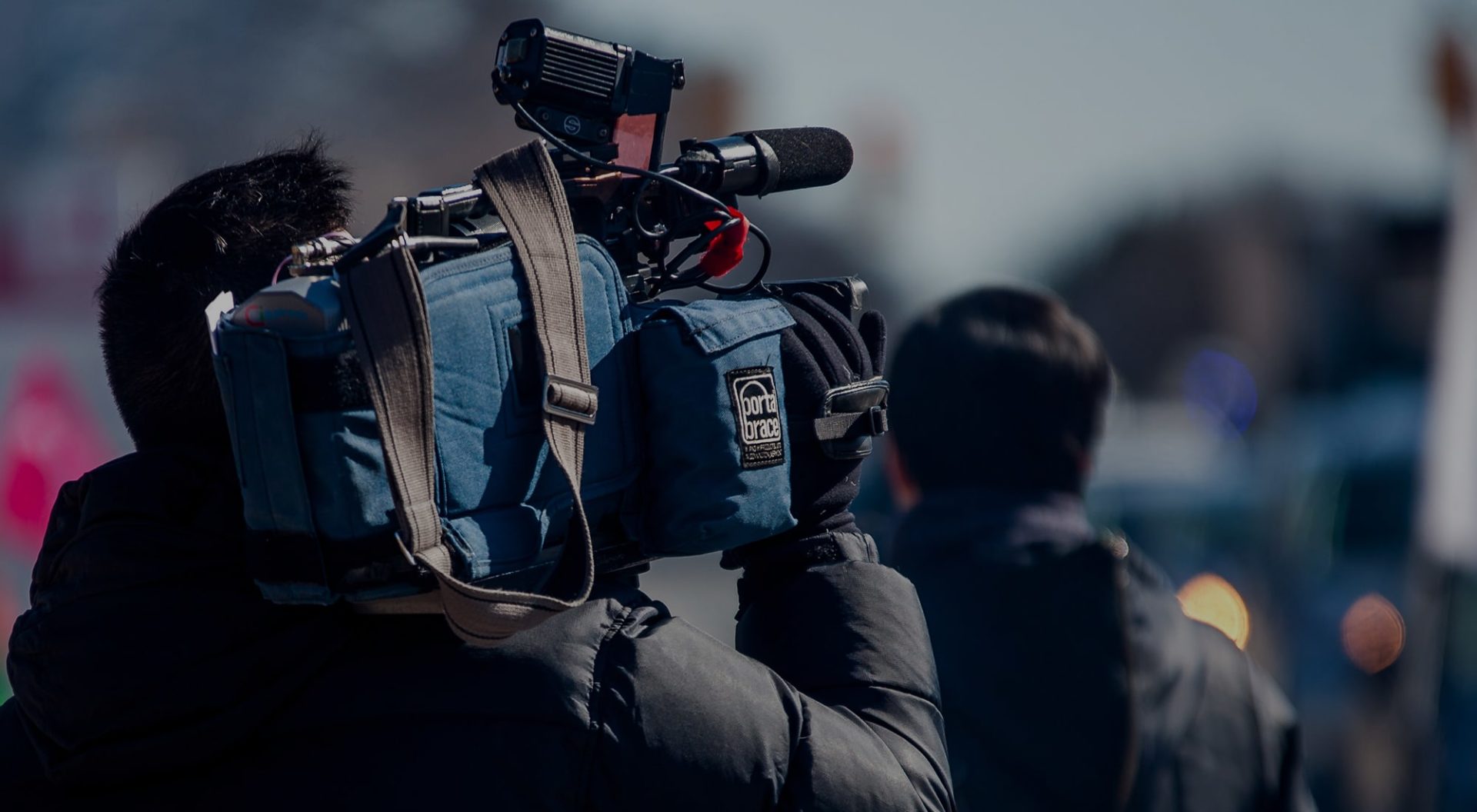
This course is designed for in-service law enforcement personnel (patrol officers, detectives, first-line supervisors, and managers), as well as members of established media relations teams — sworn or civilian — across every public-facing sector. Students will learn how to prepare for and respond to television, radio, newspaper, and digital interviews, as well as live press conferences. Strategic use of social media, planning, and liability are core components of this training.
Media Relations is not just about managing cameras and press conferences. It's about solving the same barriers that undermine every other part of your job — broken trust, information gaps, and narratives that take hold when no credible voice steps up. The same solve culture that drives great investigations drives great media work: identify the problem, own your role, and show up with a plan.
The best media outcomes rarely start at the scene — they start long before it. When officers and reporters build mutual trust through honest, consistent communication, both sides win: journalists get reliable information, and agencies get a fair hearing when it matters most. Credibility invested today pays dividends tomorrow.
What This Course Prepares You For
When a crisis hits, reporters aren't waiting. Cameras are already rolling, editors are demanding answers, and your community is watching — often through social media — before the incident is even contained. Whether you're a PIO, a supervisor, or a patrol officer who just became the only one on scene, this course prepares you to respond with clarity, accuracy, and confidence.
The training process works in deliberate phases:
- Phase 1 — Know the Environment: Understand how newsrooms operate, how editorial decisions are made, and why certain incidents escalate to national coverage. You can't play the game until you know the rules.
- Phase 2 — Know Your Role: Learn what a PIO actually does versus what most organizations think they do. Know where your lane is and how to stay in it under pressure.
- Phase 3 — Build the Response: Develop protocols for media alerts, press releases, press conferences, and social media — before the incident, not during it.
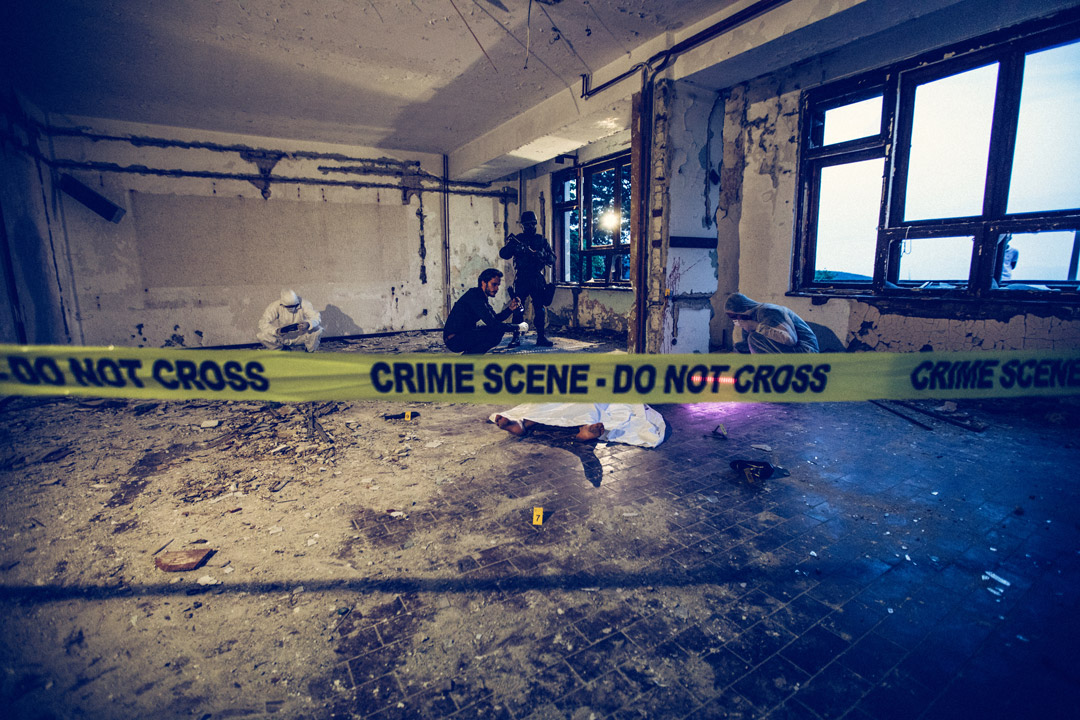
- Phase 4 — Handle the Hard Stuff: Officer-involved incidents, use of force, multi-agency crises, national-response events. The frameworks that keep your department credible when scrutiny is at its peak.
- Phase 5 — See the Other Side: Exclusive newsroom access (live or virtual) on Day 3 puts you in the chair where journalists decide which spokespeople look credible and which ones create more questions than answers.
Three days. Multiple frameworks. One result: your team leaves with a process, not just information.
Seminar Highlights
- Formulate an efficient, liability-conscious response to media-related events
- Understand the evolution of Media Relations in law enforcement and public-sector agencies
- Recognize what elevates a local incident to national attention — and how to respond before that happens
- Compare and contrast correct versus damaging responses to high-profile events
- Develop collaboration skills that build transparency between your organization and the community
- Establish standardized response protocols for critical and officer-involved incidents
- Evaluate legal considerations: case law, state and federal statutes, social media liability
- Build a professional social media presence that communicates authenticity and reliability
- Apply MR as solve culture — identifying and closing barriers to public trust, not just managing press
Course Agenda
Instructors


Upcoming COURSES
If you have any questions or need help, please email us at info@tdcorg.com or call us at 408.766.1909
If you can't find any courses near you, please check out our Regional Waitlist

Testimonials
Other Courses for You

.png)
.png)
.png)